
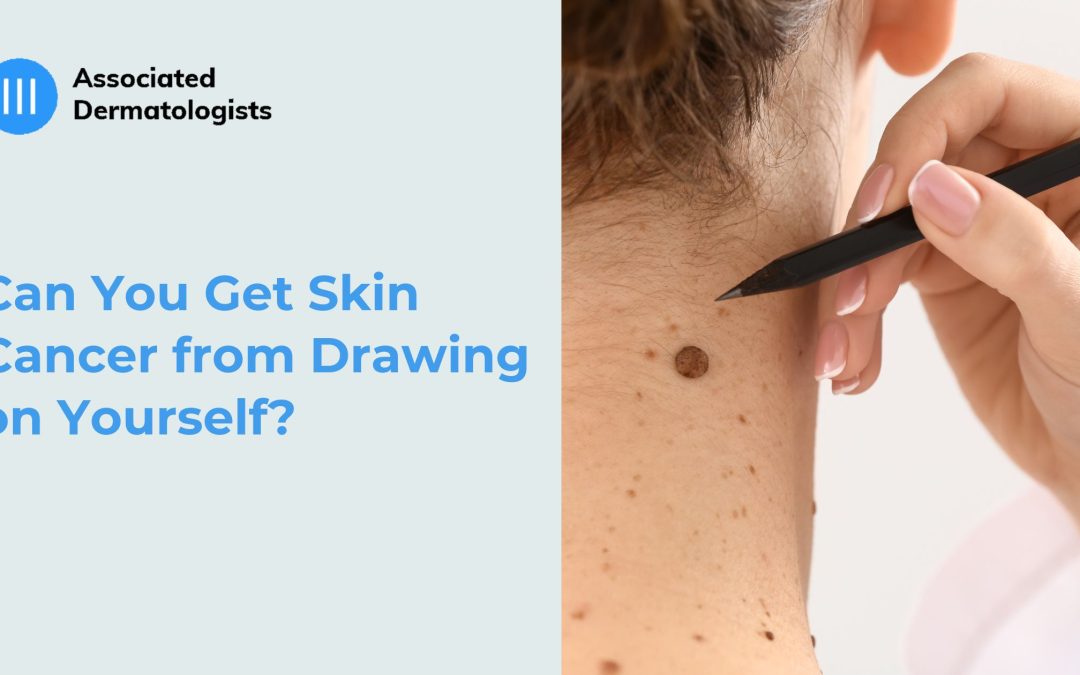
Many of us have done it. Whether during a long meeting, a boring class, or just as a moment of creative expression, we’ve picked up a pen and started doodling on our skin. A spiral on the wrist, a smiley face on a thumb, or an intricate pattern covering the back of a hand—it seems like a harmless habit. The ink washes off in a day or two, leaving no trace. But have you ever paused, pen in hand, and wondered what exactly is in that ink you’re pressing into your skin? Could this common, seemingly innocent activity pose any real health risks, especially something as serious as skin cancer?
It’s a question that crosses the minds of many, often dismissed as an overreaction. After all, it’s just a pen. The reality, however, is a bit more complex. The skin is our body’s largest organ, a protective barrier that shields us from countless environmental threats. When we draw on it, we’re applying a mixture of chemicals directly to this vital organ. Understanding what’s in those markers and pens is the first step in assessing the potential risk. Let’s explore the connection between drawing on your skin and its potential health implications, separating fact from fiction to help you make informed choices about this everyday habit.
What’s Really in That Ink?
The vibrant colors of pens and markers are created with a variety of pigments and dyes suspended in a solvent. The solvent helps the ink flow and dry quickly on a surface. The problem is, the surface these inks are designed for is paper, not human skin.
The primary solvent used in many permanent markers, for example, is an industrial alcohol like xylene or toluene. These chemicals are known for their ability to dissolve substances that water can’t, which is why permanent ink is so difficult to wash off. They are also known skin irritants. When applied to the skin, they can strip away its natural oils, leading to dryness, redness, and itching. For individuals with sensitive skin or pre-existing conditions like eczema, the reaction can be even more severe, potentially causing a painful rash known as contact dermatitis.
Beyond the solvents, the pigments themselves can be a cause for concern. To achieve bright and lasting colors, ink formulas can contain a variety of chemicals, including heavy metals and other compounds that are not intended for cosmetic use. While the concentration of these substances in a single doodle is likely very small, repeated and extensive application increases exposure. The skin is semi-permeable, meaning it can absorb small amounts of the substances applied to it. Over time, this absorption could introduce potentially harmful chemicals into your system.
The Cancer Connection: Is There a Direct Link?
 This brings us to the most pressing question: can drawing on yourself with a marker cause skin cancer? The short answer is that there is no direct, proven link between the casual act of drawing on your skin with a standard pen or marker and the development of skin cancer. Scientific and medical communities have not identified this habit as a direct carcinogen.
The concern often stems from the presence of certain chemicals in some inks that, in other contexts and at much higher concentrations, have been linked to health problems. For instance, some industrial dyes and solvents have been studied for their carcinogenic potential with long-term, high-level exposure, such as in occupational settings. However, the amount you would be exposed to from doodling on your hand is minuscule in comparison.
The more immediate and realistic risks associated with this habit are skin irritation, allergic reactions, and photosensitivity.
- Skin Irritation and Allergic Reactions: This is the most common issue. The chemicals in the ink, particularly in permanent or industrial markers, can provoke a reaction. Your skin might become red, swollen, itchy, or develop a rash. If you have a cut or an abrasion, the ink can enter the wound, increasing the risk of both irritation and infection.
- Photosensitivity: Some chemical compounds can make your skin more sensitive to sunlight. If you draw on your skin and then expose that area to UV rays, you could experience a more severe sunburn or a specific type of skin reaction. This heightened sensitivity can indirectly increase your risk of sun damage, which is a primary driver of skin cancer.
While the direct cancer risk from the ink itself is considered extremely low, it’s important to recognize that anything that causes chronic inflammation or damage to the skin can, over a very long period, create an environment where cellular changes are more likely to occur. But for the average person doodling with a ballpoint pen, this is not a primary concern. The focus should be on choosing safer alternatives if you enjoy skin art.
Not All Inks Are Created Equal
The type of writing instrument you use makes a significant difference. Some are relatively harmless, while others should be strictly avoided for skin contact. Understanding the distinctions can help you minimize any potential harm.
| Ink/Marker Type | Key Ingredients | Skin Safety Level & Explanation |
| Ballpoint Pens | Oil-based dye, fatty acids, alcohol. | Low Risk: Generally considered low-risk for occasional, small drawings. The ink sits mostly on the surface of the skin. Can cause minor irritation for those with very sensitive skin, but absorption is minimal. |
| Washable Markers | Water, glycerin, water-soluble dyes. | Low Risk: Designed for children and are non-toxic and water-based. They wash off easily and are the safest option among standard markers for skin contact, though not officially approved for it. |
| Permanent Markers | Xylene, toluene, urethane resin, various pigments. | High Risk: These contain industrial-grade solvents that can cause significant skin irritation, allergic reactions, and dryness. The chemicals are not meant for skin and should be avoided. |
| Dry-Erase Markers | Pigment, a release agent (oily silicone polymer), SD-alcohol-40. | High Risk: The release agent is designed to prevent the ink from sticking to non-porous surfaces like whiteboards. It’s not meant for skin and can cause significant irritation. |
| Highlighters | Pyranine (fluorescent dye), solvents, water. | Moderate Risk: While often water-based, the fluorescent dyes can be more irritating than standard pigments. Can cause photosensitivity in some individuals. Best to avoid. |
| Surgical Markers | Gentian violet or other approved pigments. | Very Low Risk (Safe): Specifically designed to be sterile and non-toxic for marking the skin before medical procedures. The ink is safe and intended for this purpose. |
| Cosmetic-Grade/Body Art Pens | FDA-approved colorants, cosmetic-grade ingredients. | Very Low Risk (Safe): These are specifically formulated, tested, and approved for use on human skin. They are the best and safest choice for drawing on yourself. |
Frequently Asked Questions (FAQs)
Navigating the dos and don’ts of skin drawing can be confusing. Here are answers to some common questions to provide clarity and practical advice.
What if I accidentally get a permanent marker on my skin? Should I panic?
No, you shouldn’t panic. A single, accidental exposure to permanent marker ink is highly unlikely to cause any lasting harm. The main goal is to remove it gently without further irritating your skin. Avoid harsh scrubbing or using abrasive chemicals. Instead, try applying a substance that can dissolve the ink, such as rubbing alcohol, hand sanitizer, or even an oil-based product like baby oil or coconut oil. Apply a small amount, let it sit for a minute, and then gently wipe it away. Wash the area with soap and water afterward and apply a moisturizer.
Are “non-toxic” markers safe to draw on skin?
The “non-toxic” label can be misleading in this context. This label, certified by the Art and Creative Materials Institute (ACMI), means that the product is not poisonous if ingested in small quantities. It does not mean the product is approved or safe for cosmetic use on skin. While a non-toxic marker is certainly a better choice than a permanent marker, it can still cause skin irritation or allergic reactions because its chemical makeup is not designed for skin contact. For true safety, always opt for products explicitly labeled for body art.
Could drawing over a mole or birthmark cause it to become cancerous?
Drawing over a mole will not cause it to turn cancerous. However, it is a very bad idea for a different reason: it obstructs your view of the mole. One of the most critical practices for early skin cancer detection is regularly monitoring your moles for any changes in size, shape, color, or texture (the ABCDEs of melanoma). If you cover a mole with ink, you won’t be able to see if it’s changing. It’s best to keep all moles clear of ink and check them regularly. If you notice any changes, consult a dermatologist immediately.
My child loves drawing on their hands. What’s the safest way to let them do it?
Children have more sensitive skin than adults, so it’s especially important to be careful. The best and safest option is to purchase cosmetic-grade body art markers or face paints. These products are specifically designed and tested for skin safety. If you don’t have those, the next best choice would be standard washable markers made for children, as they are non-toxic and water-based. Always perform a small patch test on their skin first to ensure they don’t have a reaction, and make sure the drawings are washed off thoroughly at the end of the day.
Besides cancer, are there other long-term risks I should know about?
While the cancer risk is negligible, repeated exposure to irritating chemicals can lead to chronic skin issues. If you frequently use high-risk inks and trigger contact dermatitis over and over in the same spot, you could cause long-term skin sensitivity or even slight scarring. The most practical risk is developing an allergy to one of the components in the ink. Once you become sensitized to a specific chemical, you may react to it for the rest of your life, which could be problematic if that chemical is present in other products.
In summary, while the fear of getting skin cancer from a pen doodle is largely unfounded, the habit isn’t entirely without risk. The key is to be mindful of what you’re using. If you enjoy adorning your skin with art, invest in products made for that purpose. Your skin is your first line of defense; treating it with care is a simple and powerful way to support your overall health and well-being.