
Warts can be a nuisance. Whether they appear on your hands, feet, or somewhere else, most people want them gone quickly. But when you start looking into removal options, one of the first questions that comes to mind is: How much will this cost? The answer isn’t always straightforward. The price can range from a few dollars for an over-the-counter kit to several hundred for a professional procedure.
As a team dedicated to helping people navigate their health and wellness choices, we believe in making complex topics easy to understand. We’ve put together this guide to break down the costs associated with wart removal, explore the different methods available, and help you find an approach that is both effective and fits your budget.
Factors That Influence Wart Removal Costs
The total cost of removing a wart depends on several variables. Understanding these can help you anticipate expenses and have a more informed conversation with your healthcare provider.
- Type and Size of the Wart: A small, common wart on your finger will generally be less expensive to remove than a large plantar wart on the sole of your foot or a cluster of warts.
- Location of the Wart: Warts in sensitive areas, like the face or genitals, require more delicate treatment and are often more costly to remove.
- Removal Method: The treatment you choose is the biggest factor. A simple at-home remedy will be far cheaper than a specialized laser procedure.
- Number of Treatments: Some warts are stubborn and require multiple sessions to fully remove. Each visit can add to the overall cost.
- Geographic Location: Healthcare costs vary by city and state, so where you live can impact the price of professional treatments.
A Look at Different Wart Removal Methods and Their Costs
Let’s break down the most common removal options, their pros, cons, and what you can expect to pay.
Over-the-Counter (OTC) Treatments
These are often the first line of defense. Most OTC options use salicylic acid to peel away the wart layer by layer. You can find them as liquids, gels, pads, or patches.
- Average Cost: $10 – $30 per kit.
- Pros: Inexpensive, accessible (no prescription needed), and can be done at home.
- Cons: Can take weeks or months to work. May not be effective for stubborn or large warts. Risk of irritating the surrounding skin if not applied carefully.
One of our clients, Sarah, shared her experience: “I tried a salicylic acid treatment for a wart on my knee. It took about six weeks of daily application, but it worked! It just required patience and consistency. For less than $20, it was worth a shot before seeing a doctor.”
Cryotherapy (Freezing)
This is a common in-office procedure where a dermatologist applies liquid nitrogen to the wart. This freezes and destroys the affected tissue. There are also OTC freezing kits, but they are less potent than what a doctor uses.
- Average Cost: $100 – $300 per session for professional treatment. OTC kits are around $20-$40.
- Pros: Fast procedure (takes just a few minutes). Often very effective, sometimes in a single treatment.
- Cons: Can be painful and may cause a blister. Scarring or skin discoloration is possible. Multiple treatments may be needed, increasing the cost.
Laser Treatment
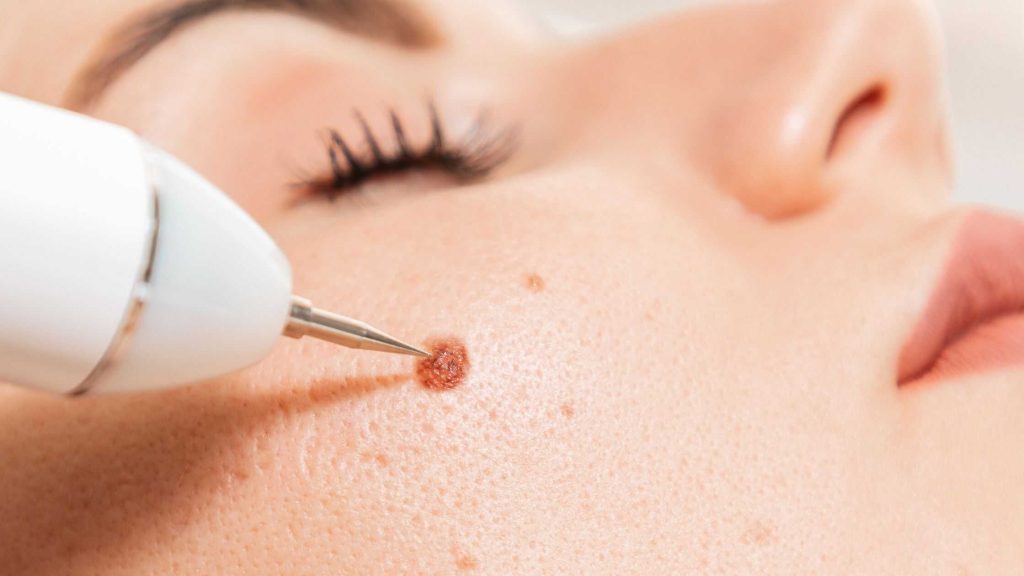
A doctor uses a pulsed-dye laser to heat and destroy the tiny blood vessels inside the wart, causing it to die and fall off. This is typically reserved for warts that haven’t responded to other treatments.
- Average Cost: $250 – $1,000+ per session.
- Pros: Highly effective for persistent warts. Precise, minimizing damage to surrounding skin.
- Cons: Most expensive option. Can be painful and may require local anesthesia. Multiple sessions might be necessary.
Cost Comparison Table
| Treatment Method | Average Cost Range | Pros | Cons |
| Over-the-Counter (OTC) | $10 – $30 | Low cost, convenient | Slow results, may not be effective |
| Cryotherapy (In-Office) | $100 – $300 per session | Fast, effective | Can be painful, may need multiple visits |
| Laser Treatment | $250 – $1,000+ per session | Very effective for stubborn warts | Most expensive, can be painful |
Will Insurance Cover Wart Removal?
This is a common question, and the answer is: it depends.
Insurance coverage often hinges on whether the removal is considered “medically necessary.” If a wart is causing pain, bleeding, or spreading, or if it is suspected to be cancerous (which is rare), your insurance is more likely to cover part of the cost. You will still be responsible for your copay, coinsurance, and deductible.
However, if the removal is purely for cosmetic reasons, it’s typically not covered. It’s always best to call your insurance provider before scheduling a procedure to understand your specific benefits. Don’t forget to ask about potential hidden fees, like office visit charges or fees for biopsies, which can add to your bill.

Making a Cost-Effective and Safe Choice
Choosing the right treatment involves balancing cost, effectiveness, and safety.
- Start Simple: For a new, small common wart, an OTC salicylic acid treatment is an inexpensive and low-risk starting point.
- Consult a Professional: If at-home treatments fail or if the wart is in a sensitive area, painful, or changing in appearance, it’s time to see a doctor or dermatologist. They can provide an accurate diagnosis and recommend the most effective treatment plan.
- Discuss Costs Upfront: When you see a doctor, don’t be afraid to ask about the costs of different procedures and how many sessions they anticipate you’ll need. This transparency allows you to plan your budget accordingly.
- Prioritize Safety: While saving money is important, your health comes first. Avoid unproven “home remedies” found online, as they can lead to infection, burns, and scarring. Stick to medically approved methods.
Ultimately, getting rid of a wart is a partnership between you and your healthcare provider. By taking a data-first approach and understanding your options, you can make a choice that is both good for your skin and your wallet.
Frequently Asked Questions (FAQs)
Is professional wart removal better than at-home treatment?
Professional treatments are generally faster and more effective, especially for stubborn warts. A doctor can also ensure the growth is actually a wart and not something more serious. However, at-home treatments can be effective for simple cases and are much more affordable.
How many cryotherapy sessions will I need?
It varies. Some small warts are gone after one session, but larger or more resilient ones (like plantar warts) might require 3-4 treatments, spaced a few weeks apart.
Does laser wart removal hurt?
Patients often describe the sensation as a rubber band snapping against the skin. A local anesthetic is sometimes used to manage discomfort. There may be some soreness and bruising afterward.
Can warts come back after removal?
Yes. Warts are caused by a virus (HPV), and treatment removes the wart, not the virus from your system. A new wart can grow in the same spot or nearby if the virus is still active in the skin.
Are there any hidden costs I should know about?
With professional treatment, the initial consultation fee is often separate from the procedure cost. If the doctor recommends sending a tissue sample for a biopsy, there will be an additional lab fee. Always ask for a full cost breakdown before agreeing to a procedure.