
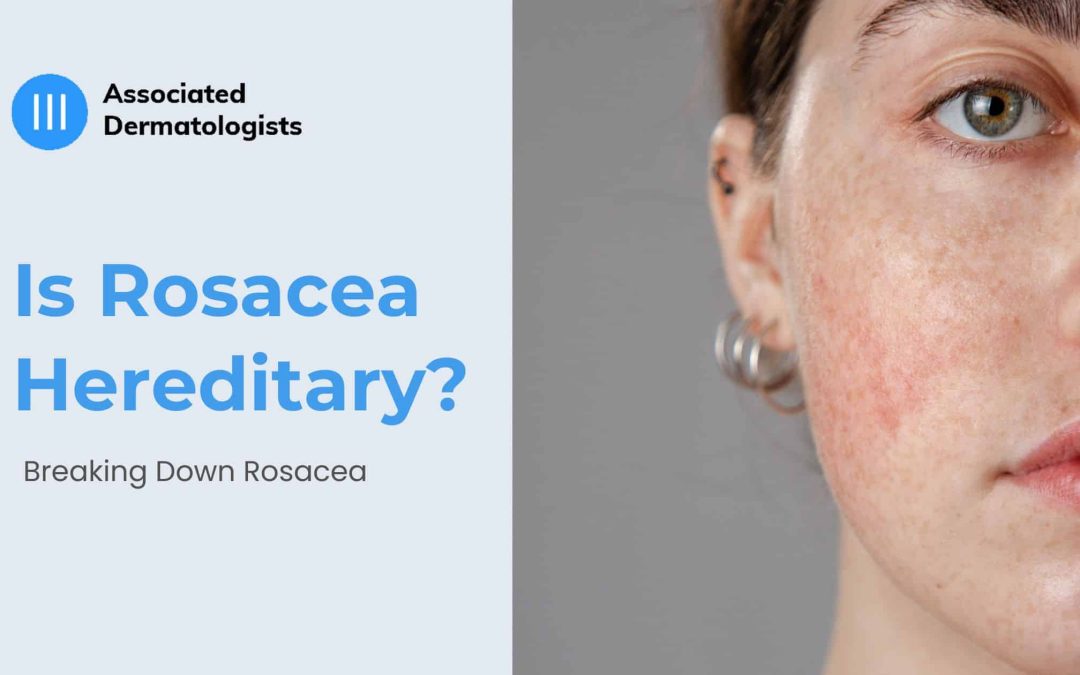
Rosacea is a chronic skin condition that affects millions of people worldwide, often causing redness, visible blood vessels, and sometimes acne-like breakouts, especially on the face. Despite how common it is, understanding its causes remains a critical step toward managing it effectively. One of the most debated questions in dermatology is whether rosacea is hereditary. Is it something we inherit from our ancestors, a product of our lifestyle, or a mix of both?
Discover the nuances of rosacea, from its potential genetic components to environmental triggers, and gain clarity and control over your skin health.
Breaking Down Rosacea
Rosacea is not just a cosmetic inconvenience. For many, it can have profound effects on self-confidence and quality of life. Recognizing its origins can make treatment and prevention strategies more effective. Some key facts about rosacea include:
- Rosacea often starts showing symptoms after the age of 30.
- It is more commonly diagnosed in people with fair skin, although it can affect individuals of any skin tone.
- Flare-ups can often be triggered by certain environmental and lifestyle factors, such as sun exposure, spicy foods, or stress.
But could the underlying cause of rosacea be written in our DNA?
The Genetic Connection
Evidence from Studies
Research suggests that rosacea does have a hereditary component, though the exact genetic mechanisms are not yet fully understood. A few noteworthy points include:
- Family History: Studies have found that rosacea can run in families. If one or both of your parents have rosacea, you might have an increased likelihood of developing it as well.
- Gene Mutations and Variants: Emerging genetic data shows potential links between certain genetic variations and rosacea. For instance, mutations affecting skin barrier function or immune system regulation might contribute to the condition’s development.
- Ethnic Patterns: Rosacea is more common among people of Northern European descent, suggesting that genetic factors linked to ethnicity could play a role.
Does This Mean Rosacea is Entirely Genetic?
Not necessarily. While genetics may increase your predisposition, other factors contribute significantly to the onset and progression of rosacea. A comprehensive understanding requires considering both hereditary and environmental influences.
Environmental and Lifestyle Triggers
Even if genetics set the stage for rosacea, triggers in your environment often act as the catalyst, bringing symptoms to the forefront. Below are key non-genetic contributors:
Common Environmental Triggers
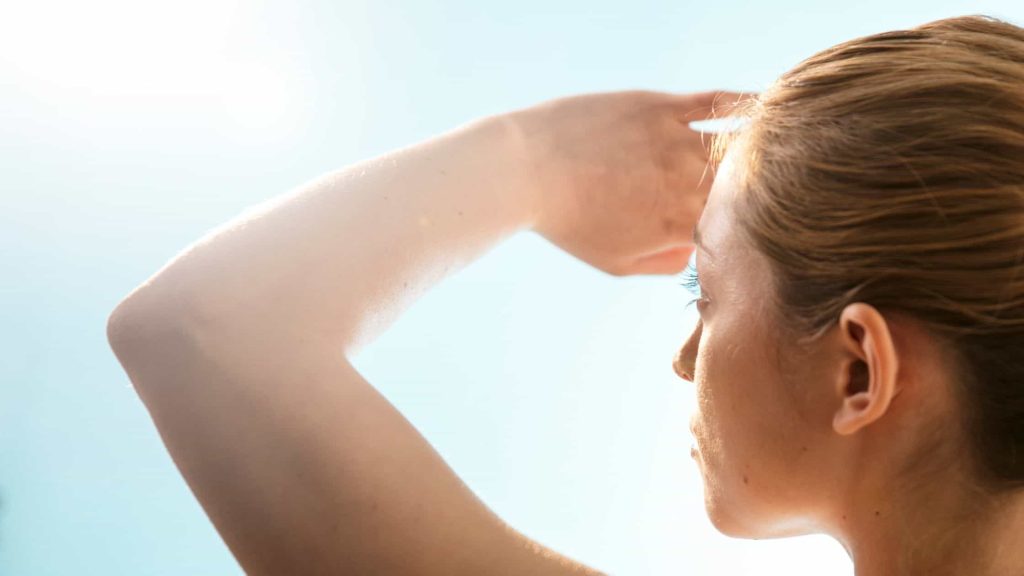
- Sun Exposure: Prolonged UV exposure can exacerbate rosacea symptoms. Sunscreen is crucial for management.
- Dietary Factors:
- Spicy foods
- Hot beverages like coffee
- Alcohol (especially red wine)
- Weather Changes:
- Extreme heat or cold
- High humidity or wind
- Stress: Psychological stress may provoke flare-ups or worsen symptoms.
Lifestyle Factors
- Skin Care Products:
- Some individuals find their symptoms worsen with harsh or fragranced products.
- Non-comedogenic and hypoallergenic products are better choices for sensitive skin.
- Diet:
- An anti-inflammatory diet rich in fruits, vegetables, and omega-3 fatty acids can sometimes alleviate symptoms.
Understanding these triggers can empower individuals to mitigate rosacea flare-ups, but it’s equally useful to pinpoint which aspects of skin conditions stem from genetics versus environmental influences. Below, a comparison table highlights the distinction:
| Hereditary Causes | Non-Hereditary Causes |
| Family history of rosacea | Excessive sun exposure |
| Genetic variations affecting skin and immune function | Lifestyle factors such as diet and skincare regimen |
| Ethnic predisposition (e.g., Northern European descent) | Psychological stress and emotional triggers |
| Potential inherited abnormalities in vascular function | Use of irritating or fragranced skin care products |
| Genetic influence on skin barrier effectiveness | Rapid changes in weather or temperature extremes |
FAQs About Rosacea
To wrap up, let’s address some of the most frequently asked questions about rosacea, clearing misconceptions and providing actionable insights.
Is rosacea contagious?
No, rosacea is not contagious. It cannot be passed from person to person through physical contact or shared items.
Can children develop rosacea?
While rosacea typically appears in adulthood, it is extremely rare in children. If skin conditions resembling rosacea are observed in a child, seek medical advice as they may indicate a different underlying issue.
How can I tell if my rosacea is hereditary?
If you have close family members (like parents or siblings) who have rosacea, there may be a hereditary link. However, genetic predisposition alone doesn’t guarantee you’ll develop symptoms. Lifestyle and environmental factors also play a significant role.
Can rosacea be cured?
Currently, there is no cure for rosacea, but it can be effectively managed with a combination of treatments. These include topical or oral prescription medications, laser therapies, and lifestyle adjustments.
Do all rosacea patients experience the same symptoms?
No, rosacea manifests differently in each individual. Some people primarily experience facial redness, while others may deal with visible blood vessels, acne-like breakouts, or even ocular symptoms like irritation and dryness in the eyes.
What is the best skincare routine for rosacea?
A gentle skincare routine that avoids irritants is key. This should include a mild cleanser, a moisturizer designed for sensitive skin, and a daily broad-spectrum sunscreen with at least SPF 30. It’s important to avoid exfoliants or products containing alcohol, as these can worsen symptoms.
Are certain professions more likely to exacerbate rosacea?
Jobs requiring regular exposure to extreme weather conditions (e.g., construction workers, outdoor athletes) or emotional stress (e.g., emergency responders) might exacerbate rosacea, especially if preventative measures aren’t taken.
Prioritize Your Skin
Rosacea’s hereditary nature underscores the importance of family history in understanding your skin’s unique needs, but genes alone don’t tell the whole story. For anyone managing rosacea, focusing on triggers and lifestyle changes is just as vital as understanding the genetic backdrop. If you suspect that you or a loved one has rosacea, consulting a dermatologist is a crucial first step toward finding a tailored treatment plan and rediscovering comfort in your skin.