
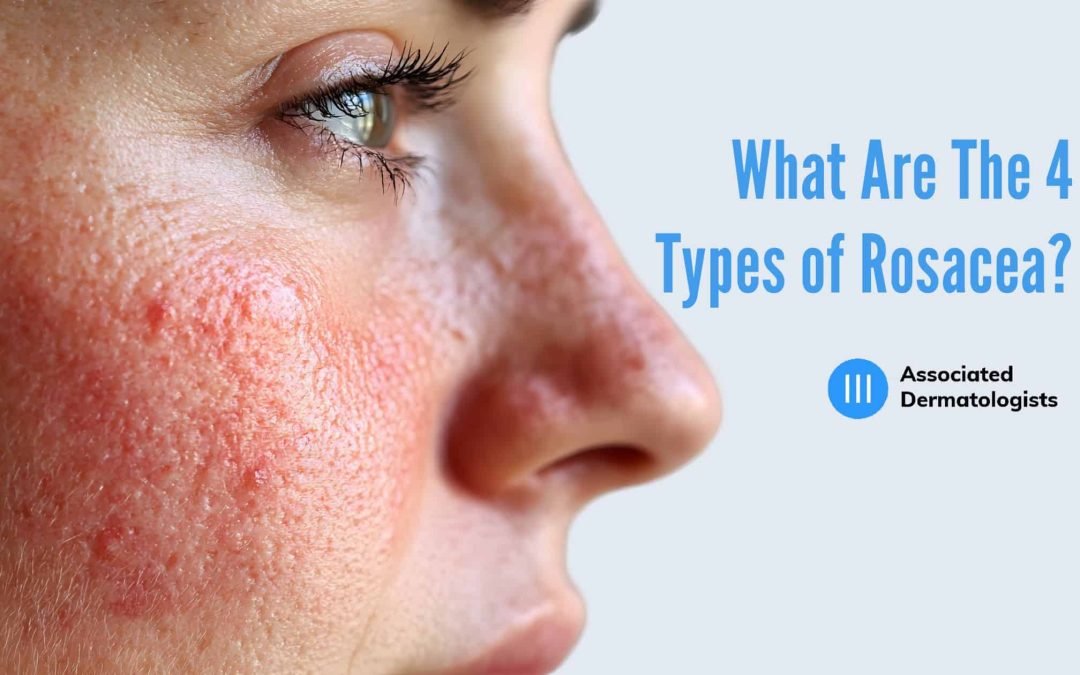
Dealing with persistent skin redness, bumps, or flushing can be frustrating. You might assume it’s just sensitive skin or temporary irritation, but it could be rosacea. This common, chronic skin condition affects millions of people, yet it often goes undiagnosed because its symptoms can be mistaken for other issues like acne or an allergic reaction. Understanding rosacea is the first step toward managing it effectively.
Rosacea isn’t a one-size-fits-all condition. It presents in various ways, which is why dermatologists have classified it into four distinct subtypes. Each type has its own set of symptoms and requires a tailored approach to treatment. We’re here to break down the different types of rosacea, helping you identify potential symptoms and understand the available treatment options. With the right knowledge, you can work with a dermatologist to create a plan that brings you relief and helps you feel confident in your skin.
The Four Types of Rosacea at a Glance
Rosacea manifests differently from person to person, making it a highly individualized condition. To provide clarity and improve treatment approaches, experts have categorized rosacea into four main types: erythematotelangiectatic rosacea, characterized by redness and visible blood vessels; papulopustular rosacea, which includes acne-like breakouts; phymatous rosacea, leading to thickened skin; and ocular rosacea, affecting the eyes with irritation or dryness.
While most individuals typically experience one primary subtype, it’s not uncommon for people to show symptoms of more than one type at the same time or for their condition to evolve over time. Understanding these variations is key to effective management and care.
| Type of Rosacea | Primary Characteristics |
| Erythematotelangiectatic (ETR) | Persistent facial redness, flushing, and visible blood vessels. |
| Papulopustular | Redness accompanied by acne-like bumps and pus-filled pimples. |
| Phymatous | Thickening of the skin, leading to an enlarged, bumpy nose. |
| Ocular | Red, irritated, watery, or dry eyes and swollen eyelids. |
1. Erythematotelangiectatic Rosacea (ETR)
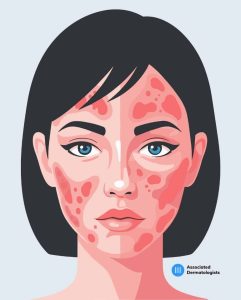
Erythematotelangiectatic Rosacea, often called ETR, is the most common subtype of rosacea and is typically what comes to mind when people think of this skin condition. It is primarily characterized by persistent redness on the face, particularly across the cheeks, nose, forehead, and chin. This redness is caused by the dilation of small blood vessels located near the skin’s surface, which can make the skin appear flushed or blotchy.
In some cases, individuals with ETR may also experience heightened sensitivity, burning, or stinging sensations in the affected areas. Triggers such as sun exposure, spicy foods, alcohol, or extreme temperatures can often exacerbate the symptoms, making it a challenging condition to manage without proper care.
Common Rosacea Symptoms for ETR:
- Persistent facial redness, resembling a blush or sunburn that doesn’t fade.
- Frequent flushing or blushing episodes.
- Visible tiny, broken blood vessels (telangiectasias or “spider veins”).
- Skin that may feel sensitive, sting, or burn.
- Swelling in the affected areas.
- Dry, rough, or scaly skin texture.
Rosacea Treatment for ETR:
Managing ETR often involves a combination of lifestyle adjustments and medical treatments. A dermatologist can help you build a personalized plan, but common strategies include:
- Identifying and Avoiding Triggers: Common triggers include sun exposure, spicy foods, alcohol, hot beverages, and stress. Keeping a diary can help you pinpoint what causes your flare-ups.
- Sun Protection: Daily use of a broad-spectrum sunscreen with an SPF of 30 or higher is crucial, as sunlight is a major trigger.
- Topical Medications: Prescription creams or gels containing ingredients like brimonidine or oxymetazoline can help temporarily reduce redness by constricting blood vessels. Azelaic acid and metronidazole can also help manage inflammation.
- Laser Therapy: Light-based treatments, such as pulsed dye laser (PDL) or intense pulsed light (IPL), can effectively reduce persistent redness and visible blood vessels. Multiple sessions are usually needed for the best results.
2. Papulopustular Rosacea
Papulopustular rosacea is often confused with acne because its primary symptoms are red bumps (papules) and pus-filled blemishes (pustules). However, unlike acne, blackheads are not present. This type typically affects middle-aged women and involves persistent redness alongside the inflammatory breakouts.
Common Rosacea Symptoms for Papulopustular Rosacea:
- Appearance of red bumps and pus-filled pimples on the face.
- Persistent facial redness and flushing.
- Oily skin in affected areas.
- Sensitive skin that may burn or sting.
- Visible broken blood vessels may also be present.
Rosacea Treatment for Papulopustular Rosacea:
The goal of treatment is to control breakouts and reduce inflammation. Your dermatologist may recommend:
- Topical Medications: Gels and creams containing metronidazole, azelaic acid, or ivermectin are effective at reducing bumps, lesions, and redness.
- Oral Antibiotics: For moderate to severe cases, a doctor might prescribe antibiotics like doxycycline. These are often used at a low dose to provide anti-inflammatory benefits rather than to kill bacteria.
- Oral Isotretinoin: In severe, resistant cases, a low dose of isotretinoin may be considered to clear up bumps and pimples. This medication requires careful monitoring by a physician.
- Gentle Skincare: Using a mild cleanser and non-comedogenic moisturizers can help manage symptoms without causing further irritation.
3. Phymatous Rosacea
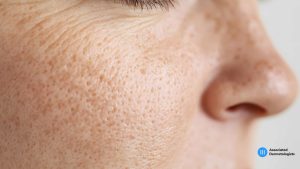
Phymatous rosacea is a rarer subtype characterized by the thickening of the skin, which leads to an enlarged and bulbous appearance. The most common area affected is the nose, a condition known as rhinophyma. While it can affect anyone with rosacea, it is more commonly seen in men.
 Common Rosacea Symptoms for Phymatous Rosacea:
- Thickening of the skin, particularly on the nose.
- Bumpy or uneven skin texture.
- Enlarged pores in the affected area.
- The nose may appear red, swollen, and rounded.
- Similar skin thickening can occur on the chin, forehead, cheeks, or ears, though this is less common.
Rosacea Treatment for Phymatous Rosacea:
Early intervention is key to preventing the progression of phymatous changes. Once the skin has thickened, topical or oral medications are less effective for reversing the growth.
- Oral Medications: Early in its development, oral isotretinoin may help reduce the progression of skin thickening.
- Surgical Procedures: The primary treatment for established rhinophyma is removing the excess tissue. A dermatologic surgeon can reshape the nose using various techniques, including:
- Dermabrasion: Sanding down the outer layers of the skin.
- Electrosurgery: Using electrical currents to remove excess tissue.
- Laser Resurfacing: Using CO2 or erbium lasers to vaporize tissue and reshape the skin.
4. Ocular Rosacea
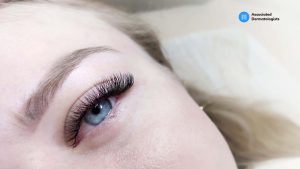
Ocular rosacea affects the eyes and can occur with or without the skin symptoms of other rosacea types. Many people with skin rosacea are unaware they also have ocular rosacea, often dismissing their eye symptoms as allergies or dry eye. It’s important to address these symptoms, as severe cases can lead to vision problems if left untreated.
 Common Rosacea Symptoms for Ocular Rosacea:
- Dry, gritty, or itchy eyes.
- A feeling of having something in your eye.
- Redness and inflammation of the eyes and eyelids (blepharitis).
- Watery eyes (epiphora).
- Burning or stinging sensation in the eyes.
- Recurrent styes or chalazia.
- Blurred vision and sensitivity to light.
Rosacea Treatment for Ocular Rosacea:
Managing ocular rosacea focuses on relieving symptoms and protecting your eyes. A team approach involving both a dermatologist and an ophthalmologist is often best.
- Eyelid Hygiene: Daily cleansing of the eyelids with a gentle cleanser or specific eyelid scrubs can help manage inflammation and remove debris.
- Artificial Tears: Over-the-counter lubricating eye drops can alleviate dryness and irritation.
- Warm Compresses: Applying a warm compress to the eyes for 5-10 minutes daily can help unblock oil glands in the eyelids.
- Prescription Medications: Your doctor may prescribe oral antibiotics like doxycycline to control inflammation or steroid eye drops for short-term use to reduce severe symptoms.
Frequently Asked Questions (FAQs)
What triggers rosacea?
Rosacea flare-ups can be caused by a wide range of factors that vary from person to person. Common triggers include sun exposure, emotional stress, hot or cold weather, wind, heavy exercise, alcohol (especially red wine), spicy foods, and hot drinks. Identifying and avoiding your personal triggers is a foundational part of managing the condition.
Are there effective treatments for rosacea?
Yes, while there is no cure for rosacea, there are many effective treatments available to help manage symptoms and prevent flare-ups. A dermatologist can create a personalized treatment plan that may include topical creams, oral medications, laser therapies, and lifestyle modifications. The most effective approach often combines professional treatment with a consistent, gentle skincare routine and trigger avoidance.
Can rosacea be cured?
Currently, there is no cure for rosacea. It is a chronic condition, meaning it can last for a long time. However, with proper diagnosis and a consistent management plan developed with a board-certified dermatologist, most people can successfully control their symptoms, reduce flare-ups, and maintain healthy-looking skin.
If you believe you are experiencing symptoms of any type of rosacea, scheduling a consultation with a dermatologist is the best next step. We are dedicated to providing compassionate, individualized care to help you achieve your skin health goals. Contact our team today to get started on a path to clearer, more comfortable skin.