
Walking down the skincare aisle can feel overwhelming. With hundreds of bottles promising “glow,” “matte finishes,” and “maximum protection,” how do you know which one actually belongs in your beach bag or daily routine?
The truth is, not all sun protection is created equal. The formula that works wonders for your dry-skinned best friend might cause a breakout on your oily complexion. Choosing the right sunscreen isn’t just about preventing sunburn; it’s about finding a product you’ll happily wear every single day to protect against skin cancer and premature aging.
In this guide, we break down everything you need to know about SPF, ingredients, and finding the perfect match for your unique skin profile.
Decoding the Label: Broad Spectrum and SPF
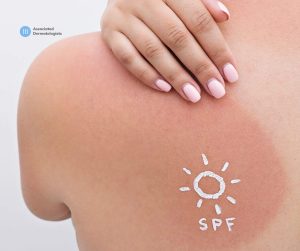 Before worrying about your specific skin type, you need to understand the two non-negotiables of any effective sunscreen: Broad Spectrum protection and SPF rating.
What is Broad Spectrum?
The sun emits two types of harmful rays that reach the earth’s surface: UVA and UVB.
- UVA rays are associated with skin aging (think wrinkles and sunspots). They penetrate deep into the skin.
- UVB rays are the primary cause of sunburn.
A sunscreen labeled “Broad Spectrum” protects you from both types of rays. If a product doesn’t explicitly state this, it may only be shielding you from sunburn while leaving you vulnerable to long-term damage and skin cancer risks.
Understanding SPF Ratings
SPF stands for Sun Protection Factor. It measures how well a sunscreen protects you from UVB rays.
- SPF 15 blocks about 93% of UVB rays.
- SPF 30 blocks about 97% of UVB rays.
- SPF 50 blocks about 98% of UVB rays.
While no sunscreen blocks 100% of UV rays, dermatologists generally recommend using at least SPF 30 for daily use.
The Great Debate: Mineral vs. Chemical Sunscreen
Once you’ve settled on the right SPF, you need to choose the delivery system. Sunscreens generally fall into two categories: physical (mineral) and chemical.
 Physical (Mineral) Sunscreen
Mineral sunscreens sit on top of your skin and act as a shield, deflecting the sun’s rays.
- Key Ingredients: Zinc Oxide, Titanium Dioxide.
- Pros: Works immediately upon application; less likely to irritate sensitive skin; generally considered reef-safe.
- Cons: Can be thicker and harder to rub in; may leave a white cast on darker skin tones (though newer micronized formulas are improving this).
Chemical Sunscreen
Chemical sunscreens absorb into the top layer of your skin. They convert UV rays into heat, which is then released from the body.
- Key Ingredients: Avobenzone, Octinoxate, Oxybenzone.
- Pros: Usually thinner and easier to spread; wears well under makeup; leaves no white cast.
- Cons: Needs about 20 minutes to become effective after application; increased risk of irritation for sensitive skin types.
Selecting the Best Sunscreen for Your Skin Type
Now that you understand the basics, let’s look at specific recommendations based on your skin’s unique needs.
1. Oily and Acne-Prone Skin
If you are prone to breakouts, the last thing you want is a greasy layer clogging your pores. Look for labels that say “non-comedogenic” (won’t clog pores) or “oil-free.”
- Best Type: Lightweight chemical sunscreens or matte-finish mineral formulas.
- Ingredients to Look For: Niacinamide (anti-inflammatory), Zinc Oxide.
- Avoid: Heavy oils like coconut oil, mineral oil, and thick cocoa butter.
2. Dry Skin
For dry skin, your sunscreen should double as a moisturizer. You want ingredients that hydrate and lock in moisture while protecting you from UV rays.
- Best Type: Cream-based chemical or mineral sunscreens with added hydrators.
- Ingredients to Look For: Hyaluronic acid, glycerin, ceramides, and aloe.
- Avoid: Alcohol-based sprays or gels that can strip moisture.
3. Sensitive Skin
If your skin turns red or stings easily, you need to be careful with chemical filters. Physical blockers are generally much better tolerated.
- Best Type: 100% Mineral (Physical) sunscreen.
- Ingredients to Look For: Zinc Oxide and Titanium Dioxide are the gold standard here.
- Avoid: Fragrances, dyes, parabens, and chemical filters like oxybenzone which are common irritants.
If you’re struggling with sensitivity or irritation, it may be helpful to schedule a consultation for sensitive skin so our team can help you find the right solution.
4. Combination Skin
Dealing with an oily T-zone and dry cheeks? You need a balanced formula.
- Best Type: Lightweight lotions or gel-creams.
- Ingredients to Look For: Hyaluronic acid (for hydration without grease) and antioxidants like Vitamin C.
- Strategy: You might find that a lightweight mineral sunscreen works well, or a “dry-touch” chemical formula.
Quick Comparison: Best Sunscreen by Skin Type
| Skin Type | Recommended Formula | Key Ingredients | Avoid |
| Oily/Acne-Prone | Oil-free liquid or gel; Matte finish | Zinc Oxide, Niacinamide | Coconut oil, Mineral oil |
| Dry | Rich cream or lotion | Hyaluronic Acid, Glycerin, Ceramides | Alcohol-based sprays |
| Sensitive | 100% Mineral (Physical) | Zinc Oxide, Titanium Dioxide | Fragrance, Oxybenzone |
| Combination | Lightweight lotion | Vitamin C, Hyaluronic Acid | Heavy creams |
Why Regular Skin Checks Matter
 Even with the best sunscreen routine, sun damage can still occur over time. Regular professional skin exams are crucial for catching potential issues early. Our board-certified dermatologists can help you monitor changes in your skin and recommend dermatologist-recommended sunscreen products tailored specifically to you.
If you’d like to get to know the professionals who can support your skin health at every step, meet our team of Board-Certified Dermatologists and see the difference expertise makes.
Frequently Asked Questions (FAQ)
How often should I reapply sunscreen?
You should reapply sunscreen every two hours when outdoors. If you are swimming or sweating heavily, reapply immediately after towel drying, even if the bottle says “water-resistant.”
Does dark skin need sunscreen?
Yes, absolutely. While more melanin provides some natural protection, it is not enough to prevent DNA damage from UV rays. People with darker skin tones are still at risk for skin cancer and hyperpigmentation (dark spots), so daily SPF is essential.
Can I just use makeup with SPF?
Makeup with SPF is a great bonus, but it shouldn’t be your only defense. Most people don’t apply foundation thick enough to get the full SPF protection stated on the bottle. It is best to apply a standalone facial sunscreen first, let it set, and then apply your makeup.
What is the difference between water-resistant and waterproof?
There is actually no such thing as “waterproof” sunscreen. The FDA prohibits this claim because all sunscreens eventually wash off. “Water-resistant” means the sunscreen maintains its SPF level after 40 or 80 minutes of swimming or sweating, depending on the label.
Is a higher SPF always better?
SPF 100 offers only marginally better protection than SPF 50 (blocking about 99% vs 98% of rays), but it often gives people a false sense of security. The best sunscreen is one with at least SPF 30 that you apply generously and reapply often.
Protect your skin today for a healthier tomorrow.
If you have specific concerns about sun damage or need a personalized skincare regimen, contact Associated Dermatologists to schedule an appointment.