

Dealing with uneven skin tone or dark patches can be frustrating. You might notice new spots appearing over time, leaving you wondering where they came from and what you can do about them. This common issue is known as hyperpigmentation, a term for skin that appears darker in certain areas. It happens when your body produces too much melanin, the pigment that gives skin its color. While generally harmless, this skin discoloration can affect your confidence.
We’re here to break down the complexities of hyperpigmentation into clear, actionable information. We’ll explore the different types, uncover the primary causes, and walk you through effective solutions. From at-home remedies for dark spots to professional treatments, we’ll provide the insights you need to build a successful skincare strategy.
A Closer Look at Hyperpigmentation Types
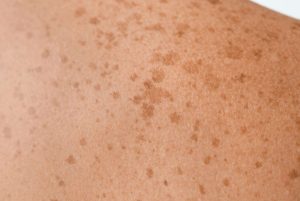
Not all dark spots are the same. Identifying the specific type of hyperpigmentation you have is the first step toward finding the right treatment. Below is a comparison to help you distinguish between the most common forms of skin discoloration.
| Type | Appearance | Common Causes |
| Sunspots (Solar Lentigines) | Small, flat, darkened patches ranging from light brown to black. Usually appear in areas most exposed to the sun, like the face and hands. | Chronic and cumulative sun exposure over many years. |
| Post-Inflammatory Hyperpigmentation (PIH) | Flat spots of discoloration that are pink, red, brown, or black, depending on skin tone. They appear at the site of a previous skin injury. | Acne, eczema, psoriasis, bug bites, cuts, or harsh skincare treatments. |
| Melasma | Larger patches of brown or gray-brown discoloration, often appearing symmetrically on the face—especially the cheeks, forehead, nose, and chin. | Hormonal fluctuations (e.g., pregnancy, birth control pills), sun exposure, and genetic predisposition. |
What Causes Hyperpigmentation?
Understanding the root cause of your dark spots is key to preventing new ones and treating existing skin discoloration effectively. While melanin overproduction is the direct cause, several factors can trigger this process.
- Sun Exposure: This is the number one cause of hyperpigmentation. Ultraviolet (UV) light from the sun stimulates melanocytes, the cells that produce melanin. Your skin produces more melanin to protect itself from sun damage, which can lead to the formation of sunspots and darken existing spots.

- Hormonal Changes: Fluctuations in hormones, particularly estrogen and progesterone, can trigger melasma. This is why it’s often associated with pregnancy (sometimes called “the mask of pregnancy”) and the use of hormonal contraceptives.
- Skin Inflammation and Injury: Any trauma to the skin can cause post-inflammatory hyperpigmentation (PIH). When your skin heals from an injury—like an acne breakout, a cut, a burn, or even a reaction to a harsh cosmetic procedure—it can leave a dark spot behind as part of the inflammatory response.
- Genetics: Your genetic makeup can make you more susceptible to certain types of hyperpigmentation. If close family members have conditions like melasma or a tendency to develop freckles and sunspots, you may be more likely to experience them as well.
- Certain Medications: Some medications, including certain antibiotics, non-steroidal anti-inflammatory drugs (NSAIDs), and chemotherapy drugs, can increase your skin’s sensitivity to the sun and lead to hyperpigmentation as a side effect.
Solutions for Brighter, More Even Skin
Finding an effective hyperpigmentation treatment requires a consistent and strategic approach. A combination of targeted products, lifestyle adjustments, and professional guidance can deliver the best results.
Product Recommendations for Your Skincare Routine
Building a routine with the right ingredients is fundamental to managing skin discoloration. Look for products containing these powerful components:
- Vitamin C: A potent antioxidant that not only protects the skin from free radicals but also inhibits an enzyme necessary for melanin production, helping to brighten the complexion and fade dark spots.
- Retinoids: Derived from Vitamin A, retinoids (like retinol and tretinoin) increase skin cell turnover. This process pushes pigmented cells to the surface, where they can be sloughed away, revealing healthier, more evenly toned skin beneath.
- Niacinamide: This form of vitamin B3 is a versatile ingredient that helps reduce the transfer of pigment within skin cells. It can improve skin tone, reduce redness, and strengthen the skin barrier.
- Azelaic Acid: Known for its anti-inflammatory properties, azelaic acid is effective for treating PIH, especially from acne. It also helps block melanin production to reduce hyperpigmentation.
- Alpha Hydroxy Acids (AHAs): Ingredients like glycolic acid and lactic acid work as chemical exfoliants. They dissolve the bonds holding dead, pigmented skin cells to the surface, promoting a brighter and smoother complexion.
Lifestyle Adjustments
Your daily habits play a significant role in managing hyperpigmentation.
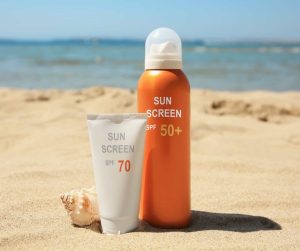 Prioritize Sun Protection: This is non-negotiable. Wear a broad-spectrum sunscreen with an SPF of 30 or higher every single day, even when it’s cloudy. Reapply every two hours, or more often if swimming or sweating. Hats and protective clothing offer additional defense.
- Be Gentle with Your Skin: Avoid picking at acne, scabs, or other skin imperfections. Harsh scrubbing can also cause inflammation that leads to PIH. Treat your skin with a gentle touch.
- Manage Underlying Conditions: If your hyperpigmentation is caused by acne or eczema, getting that condition under control is the first priority. A stable, healthy skin barrier is less prone to inflammation.
Professional Treatments
When at-home remedies for dark spots aren’t enough, a dermatologist or licensed esthetician can offer more advanced hyperpigmentation treatment options.
- Chemical Peels: These treatments use a higher concentration of acids to remove the outer layers of the skin, effectively reducing the appearance of sun damage, melasma, and PIH.
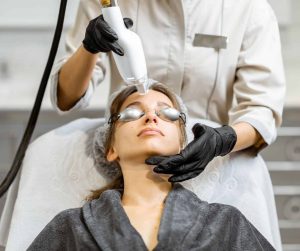
- Laser Therapy: Treatments like Intense Pulsed Light (IPL) or fractional lasers target pigmented cells with focused light energy. The heat breaks down the melanin, which is then cleared away by the body’s natural processes.
- Microneedling: This procedure creates tiny micro-injuries in the skin, stimulating collagen production and the skin’s natural healing process. When combined with targeted serums, it can help break up pigment and improve skin texture.
Frequently Asked Questions (FAQ)
How can I prevent hyperpigmentation from forming?
The most effective preventive measure is diligent sun protection. Daily use of broad-spectrum sunscreen is crucial. Additionally, avoiding skin trauma (like picking at pimples) and using a gentle skincare routine can help prevent post-inflammatory hyperpigmentation.
 How long does it take for hyperpigmentation treatments to work?
Patience is key. With consistent use of topical products, you may start to see improvement in 2-3 months. Professional treatments may offer faster results, but multiple sessions are often needed. The time it takes depends on the severity of the hyperpigmentation, its cause, and the treatment method.
When should I see a dermatologist for skin discoloration?
It’s a good idea to consult a dermatologist if your hyperpigmentation is widespread, doesn’t respond to over-the-counter products after several months, or if you are concerned about a particular spot. A professional can provide an accurate diagnosis, rule out more serious conditions, and recommend the most effective treatment plan for your specific needs.