
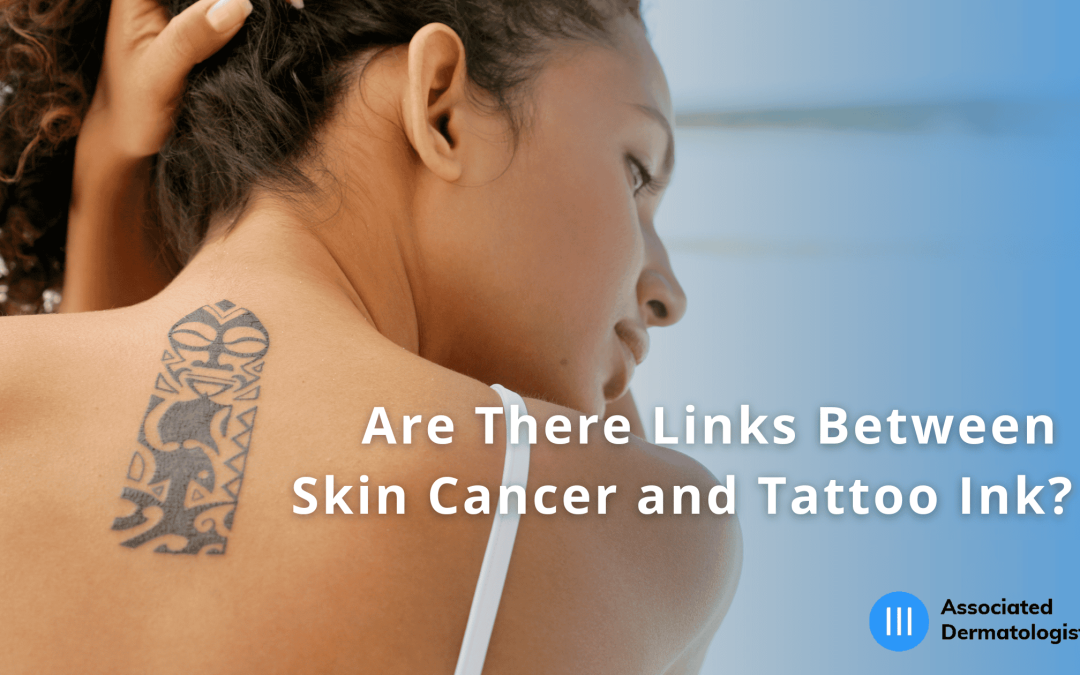
The artistry of tattoos has never been more celebrated. With this growing popularity, a vital question is emerging among tattoo enthusiasts, health-conscious readers, and skincare advocates alike: Could there be links between tattoo ink and skin cancer?
Dives deep into the facts, exploring what’s in tattoo ink, the scientific evidence connecting tattoos to skin health risks, and practical steps every tattoo lover can take to stay safe and informed.
What’s Inside Your Tattoo Ink? The Science (and Mystery) of Ingredients
Tattoos are more than skin-deep. The ink that brings your art to life comes in many forms, containing a mix of organic and inorganic pigments suspended in a carrier solution. While ingredients can vary by color and brand, here’s what’s commonly found:
The Most Common Tattoo Ink Ingredients
- Black Ink: Often made from magnetite crystals or carbon black, sometimes containing polycyclic aromatic hydrocarbons (PAHs).
- Red Ink: May include iron oxides, cadmium, or carmine. Red pigments are among the top culprits for skin reactions.
- Other Colors: Greens and blues may use copper-based pigments, while yellows can contain cadmium sulfide.
The Chemical Concerns
Tattoo ink isn’t just colorful pigment; it frequently harbors heavy metals (lead, arsenic, nickel) and organic compounds that can be carcinogenic or cause dangerous allergic reactions. The microscopic particles in ink can also migrate over time, getting trapped in lymph nodes and potentially exposing the body to toxins for years.
How These Chemicals Interact with Your Skin
When ink is injected into the dermis, the body responds with an immune reaction. Your immune system’s scavenger cells (macrophages) attempt to absorb and isolate foreign particles, but some can persist or spread. Certain ink compounds can generate free radicals, leading to oxidative stress and, in rare cases, DNA damage in skin cells. Over time, this increases the importance of monitoring tattooed skin for changes.
A Lack of Global Safety Standards
Regulation is inconsistent around the world. While some countries have rigorous safety checks for tattoo inks and strict limits on contaminants, others do not. This patchwork approach means ink quality can vary dramatically depending on where you get tattooed and what brands an artist uses.

The Basics of Skin Cancer, and Why Tattoos Complicate Things
The Big Three Types of Skin Cancer
- Melanoma: The deadliest form, originating in pigment cells (melanocytes). Fast-growing and prone to metastasis.
- Basal Cell Carcinoma: The most common skin cancer, usually slow-growing and less likely to spread but can cause significant localized damage.
- Squamous Cell Carcinoma: Originates in the skin’s outer layers, less aggressive than melanoma but still concerning.
Tattoos and Early Detection Risks
Tattoos have never been definitively shown to “cause” cancer. However, they can obscure early warning signs, making it tough to spot atypical moles, new growths, or color changes through dark pigments. Melanoma or other cancers could be camouflaged, especially in areas with heavy, dark ink or complex designs.
Diagnostic Challenges
Dermatologists use visual cues like border irregularity, color changes, or evolving moles to detect cancer early. Tattoos can mask these subtleties. Dermoscopy, a standard tool for examining suspicious skin lesions, can be less effective on tattooed skin, and biopsy samples might contain confusing pigment particles.
Understanding The Role of Tattoo Ink in Skin Cancer Risks
| Aspect | Description |
| Introduction | Tattoo inks are widely used for body art, raising concerns about their potential role in skin cancer risks. |
| Chemical Composition | Tattoo ink is composed of various pigments and additives. Common pigments include metal salts, oxides, and organic compounds. These components can vary based on color and brand. |
| Carcinogenic Elements | Some inks contain potentially carcinogenic substances like polycyclic aromatic hydrocarbons (PAHs) and heavy metals such as lead, arsenic, and nickel. |
| Skin Penetration | Tattooing involves injecting ink into the dermis layer of the skin. Over time, pigments can migrate and cause inflammation or negative immune responses. |
| Cellular Impact | Certain components in tattoo ink may cause DNA damage. Free radicals released by some pigments can lead to oxidative stress, influencing cellular mutation processes. |
| Regulatory Standards | Regulations on tattoo ink safety and composition vary globally. The absence of unified standards can lead to inconsistencies in ink quality and safety. |
| Research Findings | Studies indicate mixed results. Some suggest a possible link between tattoo inks and skin cancers such as melanoma, while others find insufficient evidence to confirm direct causation. |
| Precautionary Measures | Ensure tattoo inks meet safety regulations and standards. Opt for professional tattoo parlors with high hygiene standards to minimize risks. |
| Public Awareness | Raising awareness about ink composition and potential health risks can empower individuals to make informed decisions regarding tattoos. |
| Conclusion | While evidence linking tattoo ink to skin cancer is inconclusive, understanding ink composition and choosing safe practices is crucial to minimize potential risks. |

Tattoo-Related Risks and Proactive Safety Tips
Risk Factors to Watch For
- Low-quality or unregulated inks
- Exposure to UV light (including tanning or not using sunscreen)
- Pre-existing skin conditions
- Large, dark, or multiple layered tattoos
Practical Safety Guidelines
Choose Safer Tattoo Practices
- Research Your Artist: Choose a reputable professional using inks compliant with safety regulations in your country.
- Ask Questions: Don’t be shy about asking to see the inks and checking their certifications.
- Mind the Sun: Always use SPF on tattooed areas, since both sun damage and some pigments can increase skin cancer risks.
Regular Self-Exams & Screenings
- Check your tattoos monthly for:
- New lumps, bumps, or moles
- Changes in color, size, or shape beneath the design
- Persistent redness or skin irritation
- Schedule annual skin checks with a board-certified dermatologist, and mention your tattoos. Inform them of any changes or symptoms.
Be Extra Vigilant with Red Ink
Red pigments are most often linked to allergic or inflammatory reactions, which can sometimes mimic or mask more serious issues.
Stay Updated
Legislation and ink ingredient lists are constantly evolving. Subscribe to reputable sources and health advisories if you’re a frequent tattoo-getter.
Staying Sharp About Skin Health and Body Art
Tattoos are a form of personal expression and artistry, but they come with responsibilities. Knowing the facts about tattoo ink and skin cancer risk ensures you get the best of both worlds: beautiful body art and peace of mind about your health.
Key Takeaways for Tattoo Enthusiasts and Skincare Advocates
- Tattoo inks can contain substances linked to carcinogenic outcomes, but clear evidence tying tattoos directly to higher skin cancer rates is lacking.
- The real risk is tattoos obscuring new or changing moles, complicating early cancer detection.
- Choose reputable artists, high-quality inks, and prioritize sun protection and regular skin exams.
- Push for greater transparency and regulatory standards in the tattoo industry and stay informed with new research.
Next Steps & Resources
If you have tattoos, consult a board-certified dermatologist about scheduling regular skin checks. For those considering new tattoos, prioritize safety, ask about ink ingredients, and never skip aftercare or sun protection.
For further reading and authoritative updates, refer to resources from the American Academy of Dermatology, World Health Organization, and International Agency for Research on Cancer.