
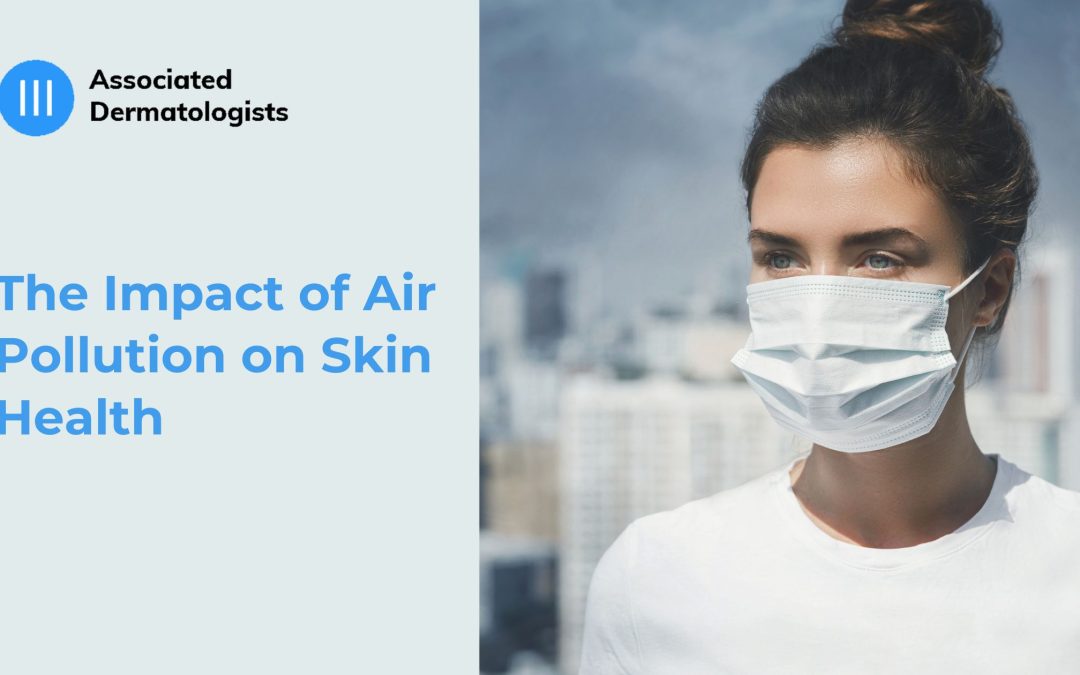
Living in a bustling city comes with plenty of excitement and opportunity, but it also exposes you to some hidden challenges. Among them is air pollution, which not only impacts your lungs but also your largest organ: your skin. While skin serves as your natural barrier to the outside world, ongoing exposure to pollutants can take a serious toll.
Air pollution exacerbates various inflammatory skin conditions and accelerates skin aging. These effects are not just skin-deep; they occur through biochemical mechanisms that compromise your skin’s resilience and health. Understanding how air pollutant exposure plays a role in these processes can empower you to take protective measures and care for your skin effectively.
How Airborne Pollutants Harm the Skin
 The Skin’s Role and Vulnerability
Your skin is equipped to act as a sturdy barrier, designed to protect your body from environmental aggressors. However, the very pollutants it shields you from can penetrate the skin’s outermost layers. Many air pollutants, such as particulate matter (PM2.5) and nitrogen dioxide, activate cutaneous metabolism in undesirable ways, leading to oxidative stress and irritation. This process generates free radicals, damaging skin cells and depleting antioxidants like vitamins C and E that your skin relies on for repair.
Besides breaking down collagen and elastin, key proteins responsible for skin firmness and elasticity, pollutants also weaken the lipid barrier. The result? Sensitive, dehydrated skin that’s more prone to red, inflamed patches or flare-ups of chronic conditions like eczema and rosacea.
Air Pollution and Skin Disorders
Air pollutant exposure plays a direct role in making inflammatory conditions worse. Pollutants don’t just accelerate skin aging; they can also compound issues related to acne, hyperpigmentation, and even more severe dermatological concerns. Smoking and ultraviolet radiation further intensify the effects of exposure, creating a toxic cocktail that aggravates not only your skin’s appearance but also its underlying health.
Here’s how some common air pollutants affect the skin:
| Pollutant Type | Primary Source | Specific Effects on the Skin |
| Particulate Matter (PM2.5) | Vehicle exhaust, industrial emissions | Penetrates pores, triggers oxidative stress, causes dark spots, and accelerates wrinkle formation. |
| Ground-Level Ozone (O3) | Chemical reactions between sunlight and smog | Depletes natural skin antioxidants, damages the lipid barrier, and causes severe dehydration and redness. |
| Nitrogen Dioxide (NO2) | Traffic fumes, power plants | Promotes inflammation, exacerbates conditions like eczema and rosacea, and contributes to hyperpigmentation. |
| Polycyclic Aromatic Hydrocarbons (PAHs) | Burning of organic matter, vehicle exhaust | Binds to cellular receptors, causing DNA damage, dullness, and an increased risk of severe skin conditions. |
Pollution and Dermatological Health
 When pollutants activate cutaneous metabolism in unhealthy ways, they create biochemical imbalances that are tough to reverse. For example, scientists have linked long-term pollution exposure to an increased prevalence of inflammatory skin disorders like acne and dermatitis. Additionally, prolonged contact with harmful chemicals raises your risk of developing severe dermatological conditions, including certain forms of skin cancer.
Protecting Your Skin from Environmental Stressors
Though avoiding air pollutants altogether seems impossible, you can take practical steps to safeguard your skin from their harmful effects. Building a skincare routine that emphasizes barrier repair and anti-aging solutions can help counteract pollution-induced damage.
Daily Habits to Reduce Exposure
- Cleanse Effectively
Start and end your day with thorough cleansing to remove particulate matter and impurities. Double cleansing, especially in urban environments, can minimize buildup. - Wear Protective Skincare Products
Use serums and moisturizers rich in antioxidants like vitamin C to neutralize free radicals. These ingredients also promote skin repair and resilience. - Never Skip Sunscreen
Although sunscreen won’t stop pollution, it protects your skin from the damaging effects of ultraviolet (UV) rays, which work alongside pollutants to accelerate skin aging and irritation. - Avoid Smoking
Smoking actively introduces additional toxins into your system, doubling the oxidative damage caused by pollution exposure. - Stay Indoors on High Pollution Days
Keep tabs on air quality reports. When pollution levels are high, limit outdoor activities to reduce direct exposure.
Skincare Ingredients That Combat Damage
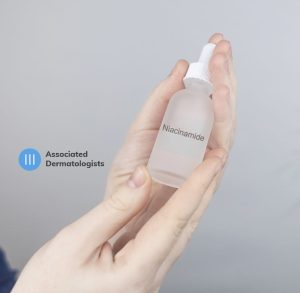 Certain ingredients excel at counteracting the impacts of air pollution. Look for products featuring:
- Vitamin C: A potent antioxidant that protects against free radical damage.
- Niacinamide: Supports skin barrier function and reduces redness.
- Hyaluronic Acid: Helps combat dehydration caused by pollutants.
- Green Tea Extract: Detoxifies the skin and reduces inflammation.
By incorporating these powerhouses into your routine, you can reduce oxidative stress and address many of the challenges tied to urban living.
Long-Term Benefits of Anti-Pollution Skincare
Investing in comprehensive skincare now allows you to preserve your skin’s elasticity, brightness, and overall health for the future. Long-term care shields against multiple concerns like fine lines, sensitivity, and more severe dermatological conditions. Over time, you’ll build a stronger barrier that resists damage, even in polluted environments.
Proactive care makes a real difference, from combating the visible signs of aging to managing chronic irritation.
FAQs on Pollution and Skin Health
 How does air pollution cause premature aging?
Pollution generates free radicals that destroy key proteins like collagen and elastin. Without these proteins, your skin loses structure, leading to wrinkles, sagging, and dullness.
Is pollution exposure worse if I also smoke?
Absolutely. Smoking adds even more toxins to your body, compounding the stress your skin already experiences from pollutants.
What other environmental factors should I be concerned about?
UV exposure amplifies oxidative stress. Always pair a broad-spectrum sunscreen with pollution-fighting antioxidants for maximum protection.
Does diet have a role in pollution defense?
Yes. A diet rich in vitamins and antioxidants can support your skin’s resilience. Foods like berries, nuts, and leafy greens provide nutrients your skin needs to combat pollution-induced damage.
Can skincare fully eliminate pollution’s effects?
While no product can completely erase the effects of pollution, taking preventive and restorative measures drastically reduces its impact.
Conclusion
Urban life may expose you to airborne pollutants, but a thoughtful skincare routine can keep your skin radiant and resilient. By acknowledging how air pollution exacerbates various inflammatory skin conditions and contributes to long-term damage, you can proactively adapt your habits to shield your skin.
Antioxidant serums and clean-eating habits are just a couple of examples, but every effort counts. Prioritize care today, and your skin will thank you for years to come.