
Everyone strives for that radiant, healthy complexion. While your skincare cabinet may be stocked with the latest serums and creams, the most essential element for glowing skin couldn’t be simpler. It all begins with water.
Hydration lays the groundwork for skin that not only looks good but functions at its absolute best. Your skin requires hydration to maintain its elasticity, flush out impurities, and support overall texture and healthy functioning. Without proper hydration, even the most high-end routines won’t deliver the results you’re looking for.
We believe in cutting through the clutter and breaking down skincare concepts into simple, achievable steps. Explore why regular hydration improves skin health, the key differences between hydration and moisturization, and practical ways to ensure your skin stays nourished and resilient.
Hydrated vs. Moisturized Skin: What You Need to Know
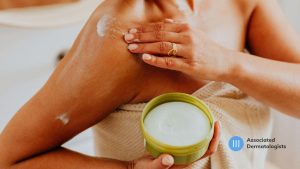 Many people mix up hydration and moisturization, but the two aren’t the same. Understanding the difference is vital if you want your skincare efforts to pay off.
Hydration refers to the water content in your skin cells. Picture it as giving those cells the drink they desperately need. When skin hydration has been related to the swelling of cells with water, your skin appears plump and smooth. Ingredients called humectants, including standout performers like hyaluronic acid, help draw water into these thirsty cells.
Moisturization, however, focuses on creating a barrier with oils to prevent water from evaporating from your skin. Without the right balance of both hydration and moisturization, your skin can quickly become dehydrated or dry, leading to dullness, lack of elasticity, and irritation.
Your skin needs water to hydrate and oils to lock that hydration in. A proper routine checks both boxes.
Why Hydration is Essential for Skin Health
 When it comes to your skin, water is essential. Beyond improving your complexion, proper hydration aids in several critical processes that help your skin thrive. Here’s how hydration benefits your skin from the inside out:
- Maintaining Skin Elasticity: Well-hydrated skin is firm, stretchy, and quick to bounce back. This reduces fine lines and wrinkles, giving your skin a youthful, vibrant appearance.
- Supporting Detoxification: Hydration plays a major role in flushing out impurities. When your body has enough water, your skin cells can repair and regenerate more efficiently, leaving your complexion clearer and healthier.
- Balancing Oil and Water: Dehydrated skin often overcompensates by producing extra oil. Providing your skin with the hydration it needs allows your oil production to normalize, reducing unexpected breakouts.
- Strengthening the Skin Barrier: Hydration is key to keeping your skin’s barrier strong and effective. This layer protects against environmental stressors like pollution, harsh weather, and bacteria.
- Improving Overall Texture: By smoothing out rough areas and filling the spaces between skin cells, water helps create an even, supple texture. The result? Skin that both feels soft to the touch and looks luminous.
Dry Skin vs. Oily Skin in Hydration 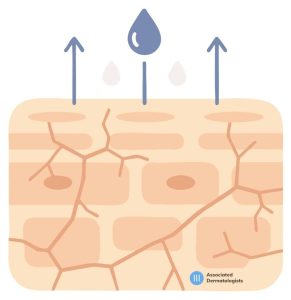
Every type of skin benefits from proper hydration, but the signs of dehydration can look completely different based on your skin type. Here’s how hydration (or the lack of it) affects dry and oily skin:
| Feature | Dry Skin | Oily Skin |
| Core Issue | Lacks oil (sebum) to lock in existing moisture. | Produces excess oil, but can still lack internal water. |
| Signs of Dehydration | Flaky texture, rough patches, redness, and a tight feeling. | Extremely shiny surface, enlarged pores, breakouts, yet feels tight underneath. |
| Hydration Treatment | Needs rich moisturizers (ceramides, oils) paired with hydrating ingredients. | Needs lightweight, oil-free, water-based hydrators like gels and serums. |
| Routine Focus | Repairing the lipid barrier to stop water from escaping. | Plumping cells with water without adding heavy oils that clog pores. |
Practical Tips to Ensure Your Skin Stays Hydrated
Establishing habits that promote both internal and external hydration can transform your complexion. While it may feel daunting to commit to a new routine, these practical tips will help ensure your skin consistently receives the water it needs.

- Drink Plenty of Water: Never underestimate the power of staying hydrated internally. Regular hydration improves the water levels throughout your body, eventually benefiting your skin cells. Aim for at least eight glasses of water daily.
- Eat Hydration-Friendly Foods: Incorporate water-rich options like watermelon, cucumber, and strawberries into your diet. They don’t just hydrate; their nutrients also promote healthy skin functioning.
- Use the Right Ingredients: Hyaluronic acid is a must-have for anyone looking to boost skin hydration. Its ability to hold up to 1,000 times its weight in water makes it incredibly effective for plumping and smoothing skin.
- Switch to Lukewarm Water: Long, hot showers can harm your skin’s natural moisture barrier. Opt for lukewarm water when washing your face or bathing to help retain hydration.
- Invest in a Humidifier: If the air around you is too dry, especially during the colder months, a humidifier can help keep your skin hydrated by adding moisture back into your environment. Place one in your room as part of your nighttime routine.
- Seal Hydration with Moisturizer: After applying water-based products like serums, always follow up with a moisturizer to lock in that hydration. Otherwise, you risk losing all the benefits.
Common Questions About Skin Hydration
Does drinking water directly impact my skin?
Yes! Though water is first distributed to vital organs, your skin eventually benefits from consistent internal hydration. Maintaining hydration levels has been directly linked to skin elasticity and a more radiant overall texture.
Can oily skin also be dehydrated?
Absolutely. Having oily skin refers to excess sebum, not water. Dehydrated oily skin is surprisingly common, and addressing the water deficit can actually reduce overactive oil production.
When should you apply hydrating products like serums?
Always apply hydrating serums on damp skin immediately post-cleansing. This ensures they draw water into your skin cells effectively rather than pulling moisture away.
Does coffee dry out my skin?
Caffeine has mild diuretic effects, which can contribute to slight dehydration. Balance your coffee habit with additional water to keep your skin hydrated.
The Bottom Line
Your skin needs water both externally and internally. Recognizing the role hydration plays helps you create routines that cater to your specific needs. Whether it’s adding a hydrating serum, drinking more water, or strengthening your skin barrier with moisturizers, these steps promote skin that looks radiant and feels its best.
If you’re unsure about where to start, or if you’re not seeing results despite your efforts, consulting with a dermatologist can help you design a strategy that’s just right for you. Remember, healthy, hydrated skin isn’t just about products; it’s about balance and consistency in your approach.