
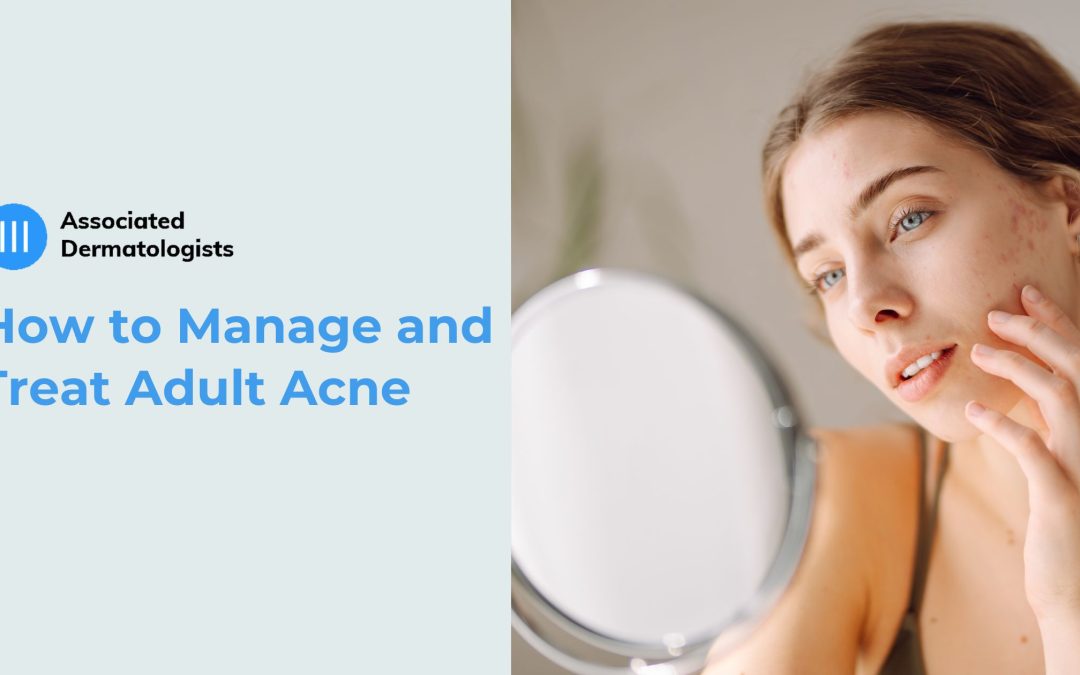
Many people expect their breakouts to vanish after high school. Yet, adult acne remains a widespread condition that affects millions of men and women well into their thirties, forties, and beyond. If you’re someone juggling work, family, and personal wellness, you know just how frustrating unexpected blemishes can be.
Adult acne differs significantly from the breakouts you may have experienced as a teenager. While adolescent acne typically surfaces on the forehead and upper cheeks due to hormonal shifts, adult breakouts often target the lower face, jawline, and neck. These breakouts may range from mild to severe acne, requiring a tailored approach to treatment.
A key difference lies in how adult skin responds to products. It tends to be drier and more sensitive, so harsh treatments that may have worked in your teenage years can now cause severe irritation. This guide aims to help you understand how to manage and treat adult acne effectively and confidently.
What Causes Adult Acne?
 Understanding what triggers your breakouts is a critical first step toward treating acne successfully. Your body undergoes complex changes as you age, and your skin reacts to both internal and external factors. Some common causes include:
- Hormonal fluctuations: Menstrual cycles, pregnancy, and menopause shift your hormone levels, which can increase oil production.
- Chronic stress: High stress releases cortisol, prompting your sebaceous glands to produce excess sebum.
- Skincare habits: Heavy anti-aging creams, thick sunscreens, and oil-based cosmetics easily clog adult pores.
- Medications: Certain prescription drugs and supplements list acne as a common side effect.
- Genetics: A family history of adult breakouts greatly increases your chances of experiencing them yourself.
Identifying your specific triggers will allow you to find the most effective approach, whether it’s lifestyle adjustments, skincare products, or professional treatments.
Treating Acne with Over-the-Counter Ingredients
You don’t always need a prescription to manage mild to moderate acne. Many over-the-counter solutions can be highly effective when used consistently.
Salicylic Acid
Salicylic acid is a beta-hydroxy acid (BHA) that penetrates deep into your pores to dissolve excess oil and dead skin cells. It works incredibly well for treating blackheads and whiteheads. Because it is oil-soluble, it helps keep pores clear without overly stripping the skin.
Benzoyl Peroxide
Benzoyl peroxide directly attacks and kills the bacteria responsible for inflamed acne. It works quickly to reduce the size of angry, red pimples. You should use it carefully, as it can bleach fabrics and cause dryness if applied too heavily.
Adapalene and Retinoids
Retinoids like adapalene speed up cellular turnover, preventing dead skin from clogging your pores in the first place. They also help fade dark spots left behind by old blemishes. You might experience a temporary “purging” phase where breakouts worsen before they improve.
Azelaic Acid
Azelaic acid gently reduces inflammation and kills acne-causing bacteria. It is exceptionally effective at fading post-acne hyperpigmentation and calming redness. This makes it a perfect choice for sensitive adult skin prone to discoloration.
Niacinamide
Niacinamide is a form of vitamin B3 that soothes the skin and regulates oil production. It pairs beautifully with harsher acne treatments to protect your skin barrier. Using niacinamide helps reduce irritation while keeping your complexion balanced.
Choosing the Right Cleanser for Acne-Prone Skin
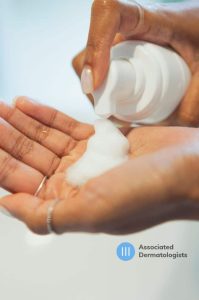 Selecting the appropriate cleanser is a foundational step in managing acne. Opt for mild soap or cleansers that are gentle on the skin yet effective at removing dirt and oils. Look for formulas labeled “non-comedogenic” to prevent additional clogging of pores. Cleansing twice daily ensures your skin remains clean without overdrying.
| Treatment Type | Primary Function | Expected Timeline |
| Salicylic Acid | Unclogs pores and exfoliates dead skin | 2 to 4 weeks |
| Benzoyl Peroxide | Kills acne bacteria and reduces redness | 1 to 3 weeks |
| Retinoids (Adapalene) | Increases cell turnover and prevents clogs | 8 to 12 weeks |
| Azelaic Acid | Calms inflammation and fades dark spots | 4 to 6 weeks |
| Niacinamide | Regulates oil and repairs skin barrier | 2 to 4 weeks |
Lifestyle and Prevention Strategies for Clear Skin
 Skincare products address only one aspect of treating adult acne. A well-rounded approach to your lifestyle can make a significant impact:
- Practice good hygiene: Regularly wash your pillowcases and avoid touching your face throughout the day.
- Stay consistent with a skincare routine: Stick to a simple routine that prioritizes cleansing, treating, and moisturizing.
- Monitor your diet: For some people, high-glycemic foods or dairy products can trigger breakouts. Tracking your skin’s response to specific items can offer valuable insights.
- Manage stress levels: Stress often worsens acne by increasing hormonal fluctuations. Incorporating stress-relief practices like yoga or meditation may benefit both your mind and skin.
Joining these habits with the right skincare treatments creates a solid foundation for clear and radiant skin.
Frequently Asked Questions
Can adult acne cause permanent scarring?
Deep cystic breakouts, especially untreated severe acne, can leave permanent scars. Refraining from picking at blemishes and seeking early treatment, such as topical retinoid or oral antibiotics, helps minimize this risk.
Does diet really affect my skin?
Yes, for some individuals, diet plays a crucial role in skin health. Foods high in sugar or dairy can increase the likelihood of breakouts. Keeping a food diary may help identify what triggers breakouts for you.
When should I see a dermatologist?
If over-the-counter treatments or lifestyle changes don’t improve your skin after three to four months, consult a dermatologist. Seek help immediately for severe acne, painful cysts, or noticeable scarring.
Will adult acne fully go away?
While there’s no guaranteed cure, you can effectively manage acne with a consistent skincare routine and medical treatments when needed. Many adults find their breakouts diminish as hormones stabilize later in life.
Managing adult acne starts with understanding your unique skin needs. Whether it’s through photodynamic therapy, topical antibiotics, or something as simple as switching to a mild soap, the right combination of treatments can help you achieve clearer, healthier skin.